
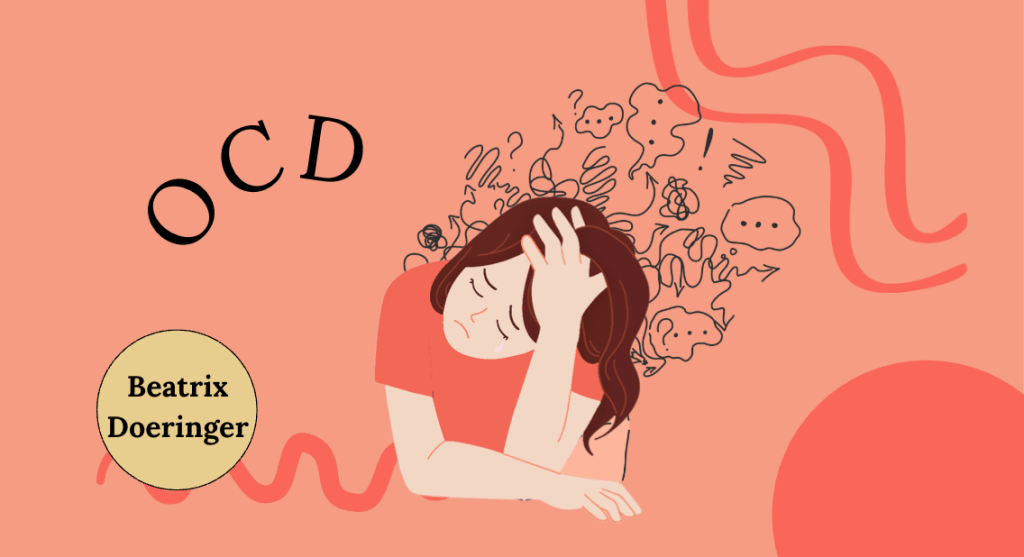

We all engage in obsessions at some point in our lives. For example, we may become engrossed by a new TV show, a flavor of ice cream, or a skill we’re determined to master. But when can these obsessions turn into something darker, when do they become a disorder that interferes with our relationships, our work, and our peace of mind? When do healthy fixations become Obsessive–Compulsive Disorder, or OCD? Many people conflate a desire for neatness with being “so OCD.” But OCD is far more complex, it is not merely a quirk or a personality trait. These fixations only transition into an actual disorder when the symptoms interfere with a person’s ability to function socially, professionally, or academically.
OCD is an anxiety disorder that relentlessly traps people in cycles of repetitive thoughts and behavioral rituals. The first signs of OCD are repetitive, unwanted impulses or ideas centering around harm or danger. In an attempt to silence these thoughts, individuals develop compulsions or repetitive behaviors such as handwashing, lock-checking, and hoarding (OCD | Psychology Today, n.d.). But these behaviors don’t bring satisfaction, only a brief break from the overwhelming sense of internal panic.
There isn’t one certain cause of OCD; rather, it likely results from a combination of many factors: biological susceptibility, environmental stressors, and harmful thought patterns. The start of obsessions and compulsions can often be traced back to a stressful or significant life event relating to an increase in responsibility, such as a new job, the birth of a child, or puberty (OCD | Psychology Today, n.d.). When people experience this new sense of responsibility, it can invoke anxiety and fears of letting themselves and others down by allowing bad things to happen.
As you’re reading this, you might wonder: Don’t people with OCD realize the ineffectiveness of their rituals and obsessions? How could switching a light switch on and off exactly sixteen times possibly prevent some disastrous event? The truth is that most sufferers are completely aware of the uselessness of their behavior, but that is no protection against it. Imagine intrusive thoughts and images constantly flooding your mind. These ideas may involve the death of a loved one, your home burning down, or becoming miserably sick (What Most People Don’t Understand about OCD: Institute for Advanced Psychiatry: Psychiatrists, 2025). You know these thoughts are completely unrealistic and irrational, but there is no way to suppress them. For many people with OCD, compulsions become a fragile shield against mental chaos: temporary relief in exchange for endless repetition.
If you know someone struggling with OCD, it is vital to provide patience rather than judgment. What seem like “weird compulsions” from the outside are usually an individual’s desperate attempts to relieve the daily chaos inside their mind.
References
Dockrill, P. (2017, March 7). This Could Explain Why People With OCD Can’t Overcome Their Urges. ScienceAlert. https://www.sciencealert.com/this-could-explain-why-people-with-ocd-can-t-overcome-their-urges
OCD | Psychology Today. (n.d.). https://www.psychologytoday.com/us/basics/ocd
What Most People Don’t Understand About OCD: Institute For Advanced Psychiatry: Psychiatrists. (2025). Psychiatryfortworth.com. https://www.psychiatryfortworth.com/blog/what-most-people-dont-understand-about-ocd
 Psychology for Society
Leave a comment